


Loft Conversion or House Extension in Bristol: Which Is the Better Way to Add Space?

If you are weighing up a loft conversion or house extension in Bristol, the decision is rarely just about adding square footage. It is about where your home can create the most useful space, how much disruption you can manage, and which option fits the way your household lives every day.
For some homes, the smartest route is to go up into the roof. For others, extending outwards makes far more sense. Both can improve comfort and practicality, but they solve different problems.
This guide explains what to compare before you commit, so you can move forward with more confidence and a clearer brief.
Loft conversion or house extension Bristol: what should you compare first?
Start with function, not finish. Before thinking about doors, flooring or décor, ask what room you actually need and where it needs to sit within the house.
A loft conversion uses space above you
A loft conversion turns roof space into living space. It is often a strong choice when you want an extra bedroom, a home office, guest accommodation or an additional bathroom without giving up outdoor space.
A house extension creates space around you
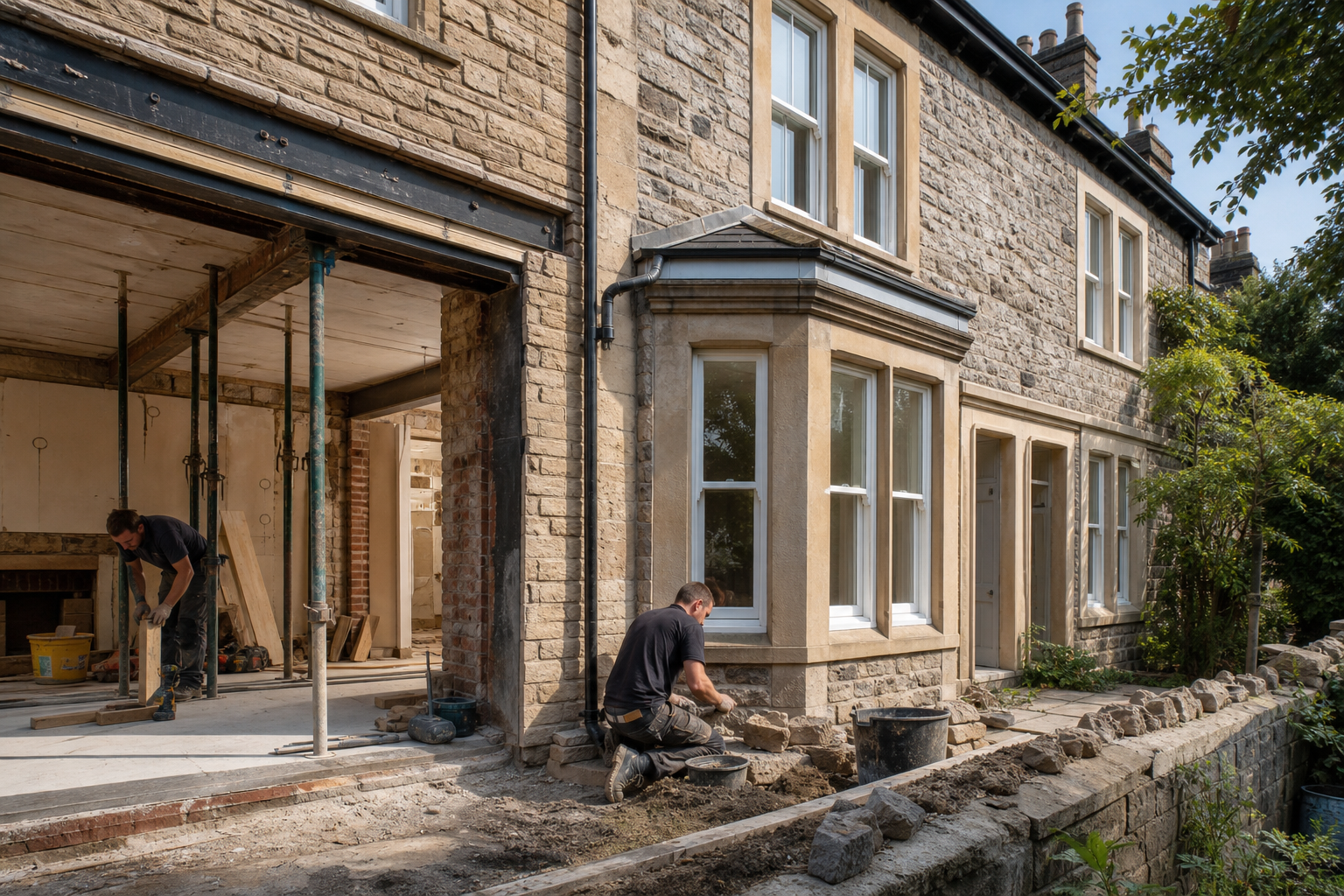
A house extension increases the footprint of the property. That can transform how the ground floor works, especially if you need a larger kitchen, more dining space, a family room or better flow to the garden.
In simple terms, if the pressure is upstairs, the loft may be the answer. If the pressure is downstairs, an extension usually deserves closer attention.
Key factors that should shape your decision
1. The type of room you need
One of the biggest mistakes homeowners make is comparing a loft conversion and an extension as though they are interchangeable. They are not.
A loft conversion is often better suited to bedrooms, studies and quieter spaces.
An extension is often better for kitchens, open-plan living, utility areas and family rooms.
If your main aim is to improve how the whole household uses the busiest part of the home, an extension may solve more than one problem at once. If you mainly need another room and want to keep your garden intact, the loft may be more practical.
2. The space your property already has available
Your existing house will influence what is realistically possible. Roof shape, head height, structure and staircase position can all affect how suitable the loft is. Equally, the amount of side or rear space available, site access and the current layout will influence whether an extension makes sense.
This is why early builder input matters. On paper, one option may seem obvious. On site, the layout and structure sometimes point in a different direction.
3. How much disruption you can live with
Both options involve building work, but the disruption often feels different.
Loft work is concentrated higher up in the house, although the new staircase will affect the existing floor below. An extension usually has a greater impact on the ground floor during the build, especially if it changes the kitchen or main family living area.
If you are living in the property while work takes place, think about which part of the house you can most easily manage without for a period of time.
4. What matters more: preserving garden space or reshaping the ground floor?
Many Bristol homeowners want more internal space without losing outside space. That can make a loft conversion attractive. On the other hand, some households find the real problem is not the number of rooms but the way the downstairs layout works. In that case, sacrificing a section of garden can be worthwhile if it creates a kitchen-diner or family space you use every day.
The best decision often comes down to which compromise feels smaller over the long term.
5. Budget priorities and long-term use
There is no universal rule that one option is always cheaper or always better value. Costs can change significantly depending on structure, access, drainage, roof alterations, internal remodelling and the standard of finish.
A better question is this: which option gives you the space you will actually use most? The strongest long-term result often comes from improving the part of the home that currently limits day-to-day life.
6. Approvals and property constraints
Planning and building requirements can vary depending on the property and the work proposed. If you live in a home with specific constraints, it is sensible to ask questions early rather than assume one route will be straightforward.
A practical builder will help you weigh up the build implications before you get too far into decisions that may need reworking later.
When a loft conversion is often the better option
A loft conversion is frequently the stronger choice when the house works reasonably well already, but you are short of rooms.
You need an extra bedroom for a growing family.
You want a home office that feels separate from the main living area.
You would like an additional bathroom or guest space.
You want to add space without reducing your garden.
You want to make better use of roof space that is currently underused.
For households that like their current ground floor layout, moving upwards can be an efficient way to gain meaningful space without changing how the rest of the home functions.
If you are exploring this route, our loft conversion work in Bristol and South Gloucestershire sits alongside wider building and renovation services, which means we can look at the whole property rather than a single room in isolation.
When a house extension is often the better option
A house extension is often the right answer when the main frustration sits downstairs.
Your kitchen feels too small or disconnected from family life.
You want open-plan living or better flow between rooms.
You need more dining or entertaining space.
You want easier access to the garden from the main living area.
You need a room that works at ground-floor level.
An extension can do more than add space. It can change how the house feels and how people move through it. For many families, that improvement in layout is just as important as the extra area.
You can explore our house extension services in Bristol if you want to see how this type of project can fit into a wider home improvement plan.
Could a phased approach work?
Sometimes the answer is not one or the other forever. Some homeowners start with the area that is under the greatest pressure, then plan further improvements later. For example, you may decide to extend first because the kitchen is the biggest daily problem, then review the loft once the family needs another bedroom.
If there is any chance you may improve other parts of the property later, it helps to think holistically from the start. A joined-up plan can avoid design clashes, wasted spend and awkward compromises down the line.
Common mistakes when comparing a loft conversion and an extension
Choosing on headline cost alone. The lowest starting figure is not always the option that delivers the best day-to-day result.
Ignoring the staircase impact. In a loft project, the staircase is crucial to how the new space works and how the floor below changes.
Underestimating layout improvements. An extension can be about better flow, not just more area.
Making assumptions about permissions or constraints. Early checks are better than expensive surprises.
Waiting too long to get site-specific advice. What works for one property may not suit another, even if the houses look similar from the outside.
Getting clear, practical advice early can save time, money and frustration later.
Why homeowners speak to GladeKirk Ltd before deciding
At GladeKirk Ltd, we carry out building renovation and conversion projects, including loft conversions and house extensions. Because we offer both services, our advice can stay focused on what suits the property and your goals rather than steering you toward only one type of build.
Based in Yate, Bristol, we work for customers across Bristol, South Gloucestershire and surrounding areas. Our contractors are fully qualified and insured, and our business brings 40 years of experience to domestic building work.
We are known for a professional, caring and high-quality approach. Customer feedback also highlights practical advice, good communication, respectful site conduct and helpful suggestions during the build process. That matters when you are making a decision that will affect your home for years.
If you are not sure which route is right, we can help you assess the space you have, the way you use the house now and the option most likely to deliver a sensible long-term result.
Frequently asked questions
Is a loft conversion or house extension better for a small Bristol home?
It depends on where the pressure is in the property. If you mainly need an extra room and the roof space is suitable, a loft conversion may be the better fit. If the ground floor feels cramped or disconnected, an extension may improve daily life more.
Which is more disruptive: a loft conversion or a house extension?
Neither is disruption-free, but the impact is usually different. Loft work affects the upper part of the house and the staircase area, while an extension can have a greater effect on the main living spaces, especially if the kitchen is involved. The best option is the one whose disruption you can manage more comfortably.
Do I need planning permission for a loft conversion or house extension in Bristol?
Requirements can vary depending on the property and the type of work proposed. It is always wise to check the position early and not rely on assumptions. A builder can help you understand the practical implications before the project moves too far ahead.
Is a loft conversion always cheaper than an extension?
No. Build costs depend on structure, access, internal alterations, services and finishes. Rather than assume one option is cheaper, focus on which route gives you the most useful result for the way you live.
Can GladeKirk Ltd help me decide between a loft conversion and an extension?
Yes. Because we provide both loft conversions and house extensions, we can look at your property objectively and offer practical guidance on the most suitable option for your home.
Final thoughts
Choosing between a loft conversion and a house extension is really about choosing where your home can work harder for you. The right answer depends on your layout, the space available, the room you need and how you want the house to function in the future.
If you are still unsure, speak to GladeKirk Ltd for practical advice on the best option for your property. Based in Yate, Bristol, and working across Bristol, South Gloucestershire and surrounding areas, we can help you compare the options with clarity before you commit to the build.
Comments